
May30
Explore the benefits of the new USACE Regulatory Request System (RRS) for faster and more efficient environmental permit applications. Learn how it impacts the mitigation banking industry.


Explore the benefits of the new USACE Regulatory Request System (RRS) for faster and more efficient environmental permit applications. Learn how it impacts the mitigation banking industry.
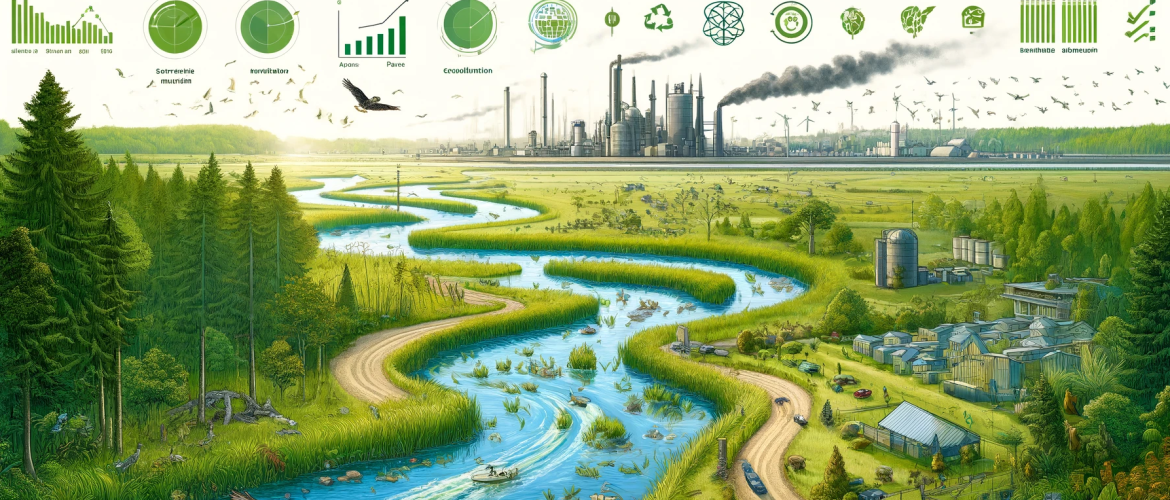
Environmental Mitigation Delivered – Banking Dominates According to USACE Data (National Environmental Banking Association) Mitigation Bank Credits continue to answer most of the nation’s most pressing environmental challenges – with real environmental restoration – with no temporal loss. Mitigation bank credits were the mitigation solution 92% of the time from 2015 to 2024 when compared to ILF program withdrawn (released/earned) credits according to U.S. Army Corps data. This new data demonstrates that successful, proven mitigation banks are relied upon to offset unavoidable
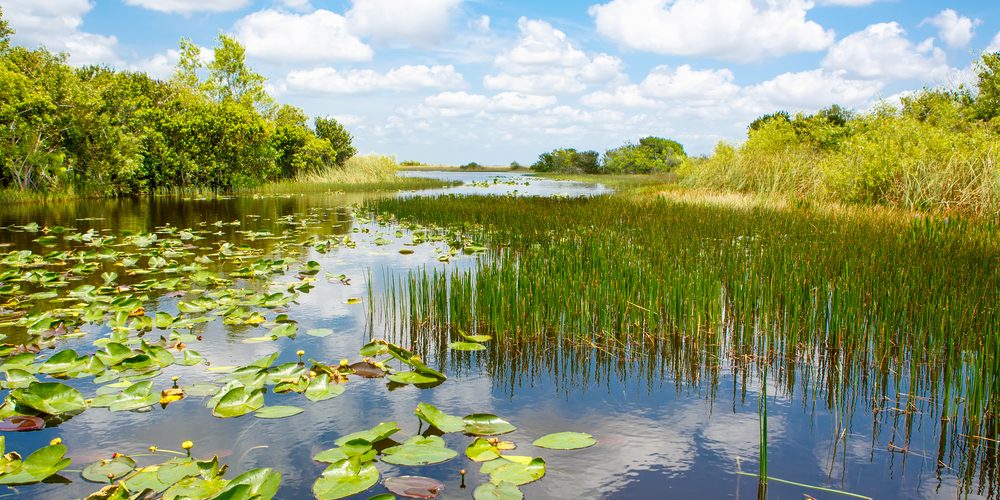
Wetland Mitigation Law and Procedure Webinar On April 11, 2024, professionals across various environmental disciplines are gearing up for the Wetland Mitigation Law and Procedure webinar. This webinar is a great way to gain knowledge, insights, and innovations from leaders in wetland science, mitigation banking, and environmental law. Complete the form to access the webinar. hbspt.forms.create({ region: "na1", portalId: "6970733", formId: "2a0d0d5c-d461-4b35-83ad-dced7741e90f" }); Wetland Science and Wetland History in the

The Future is Green: Unpacking the 2024 Global Outlook for Environmental Consulting Services In a landscape where environmental sustainability becomes increasingly paramount, the Global Environmental Consulting Services Market stands as a testament to the sector’s burgeoning demand and potential. Estimated at $35.7 billion in 2022, the market is on a trajectory to reach an impressive $65.1 billion by 2030. This anticipated growth, averaging a 7.8% CAGR, mirrors the escalating global commitment to addressing environmental challenges through expert consulting services. Central to this
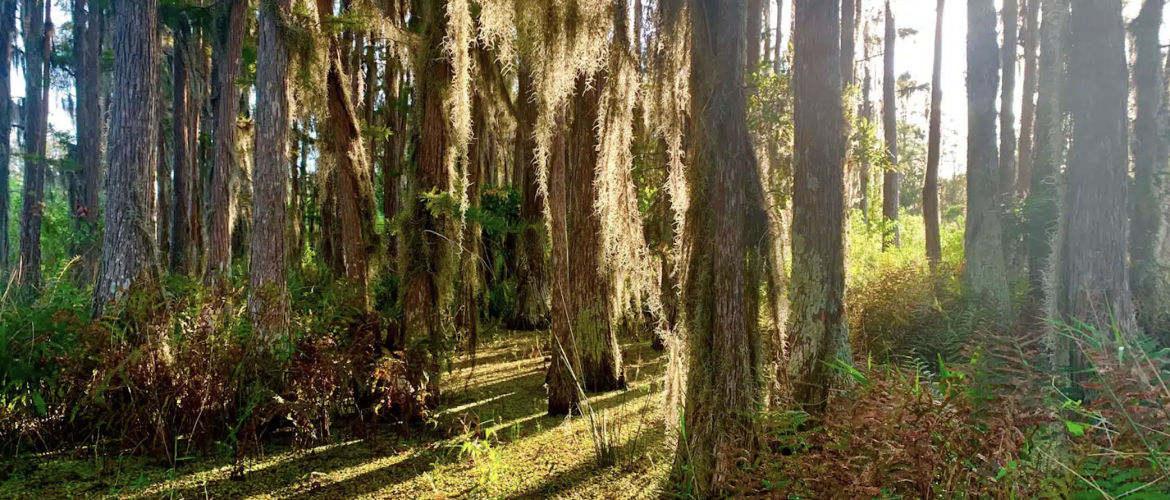
Navigating the Evolving Landscape of Wetland Mitigation Banking in 2024 As we navigate the complex and ever-evolving world of wetland mitigation banking, understanding the intricacies of this field is crucial for both environmental preservation and sustainable development. In a comprehensive article by Charles Boisseau, the nuances of mitigation banking, its impact on real estate, and the challenges faced by bankers and developers in Florida are thoroughly explored. From the historical evolution of wetlands management to the current market trends and regulatory frameworks,
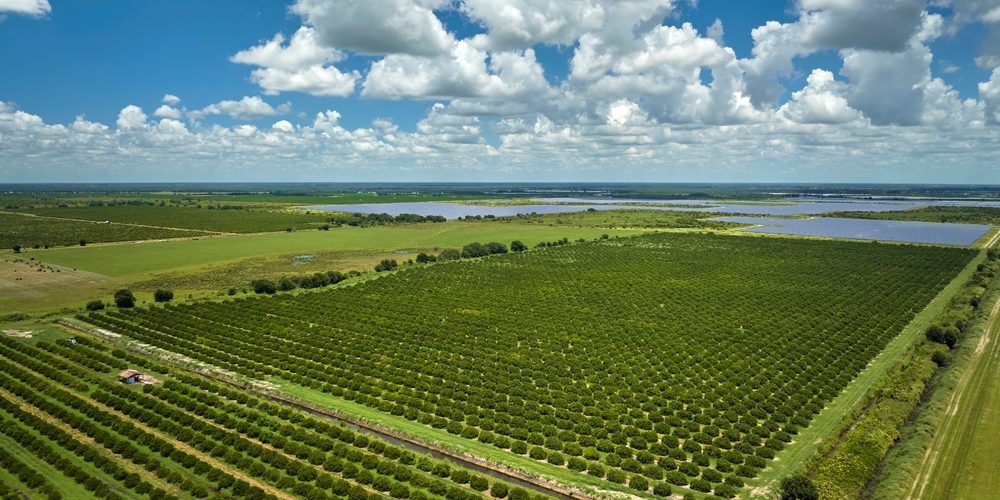
Join The Mitigation Banking Group in fostering a sustainable future for Florida’s landscapes. Discover our quest for partners in mitigation banking, from active site managers to investors. Let’s collaborate for ecological and economic balance.
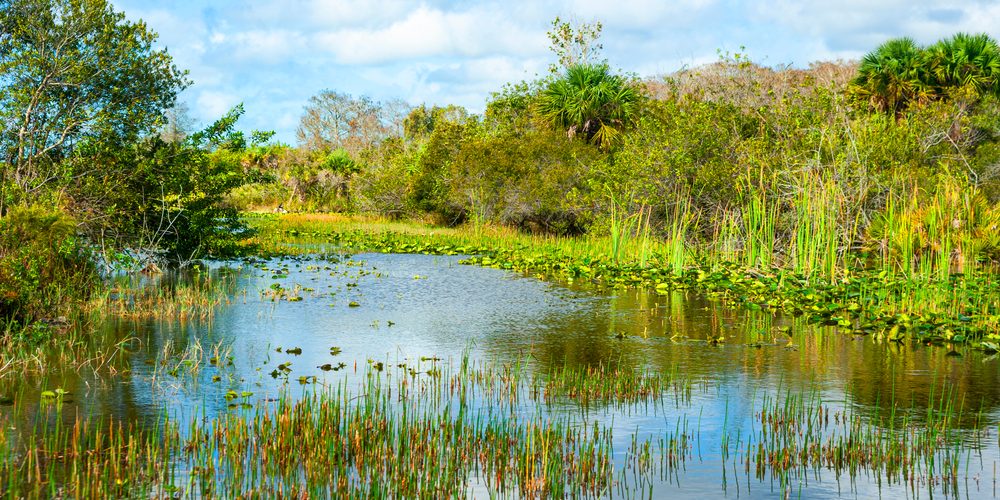
Learn how UMAM evaluations determine the condition of wetland communities. Discover how these scores influence your need for wetland mitigation credits and what steps are essential before you proceed with any development projects.
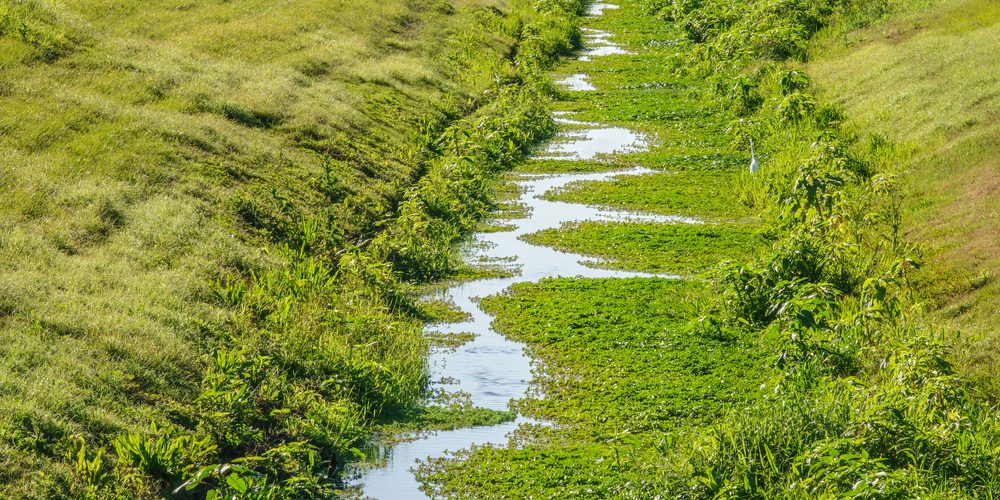
From water quality to habitat preservation, learn how the Three Pillars of ‘No Net Loss’—Life, Land, and Chemistry—shape wetland health and contribute to effective watershed management.
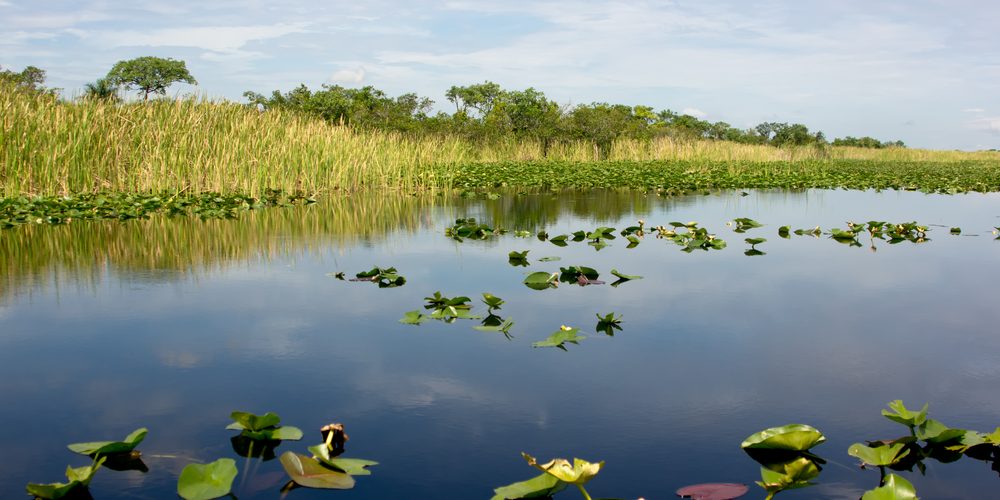
Florida plans to increase wetland mitigation banks, and the Mitigation Banking Group is at the forefront of this exciting trend. Learn why more banks are crucial for balancing environmental preservation and economic growth

Discover key insights into the mitigation bank approval process in our latest joint report with EPIC. The Phase II analysis reveals bottlenecks and provides actionable recommendations to streamline approvals. In-depth interviews with 19 mitigation bank sponsors included.
The City of Winter Springs invites your interest in serving as their next City Manager!
https://fccma.org/job/slavin-management-consultants-winter-springs-full-time-city-manager/
Here is a shocking stat:
Median income in 2004: $42,500
Median Home Price 2004: $184,000
4.3 times your income
Median Income 2024: $54,000
Median Home Price 2024:$532,000
9.8 times your income❗️
That represents a 190% increase in the cost of housing compared to 29% jump in
Adopt-A-River!!!
Adopt-A-River Program in Seminole County, Florida is a program that facilitates the monitoring, clean up, and enhancement of stream/river segments of Seminole County and is open to individuals and organizations interested in helping the environment.
Many of
The Seminole County, Florida Adopt-A-Road Program is designed to involve the public in keeping Seminole County's roadways and waterways free of litter and debris, promoting watershed awareness, and engaging in stormwater education.
With the amount of TRASH littered on the


 ;
;


