Mar12
Explore how the Energy and Water Development Appropriation Act 2024 influences mitigation banking. Learn how Congress is urging the U.S. Army Corps of Engineers to enhance efficiency in credit releases.


Explore how the Energy and Water Development Appropriation Act 2024 influences mitigation banking. Learn how Congress is urging the U.S. Army Corps of Engineers to enhance efficiency in credit releases.
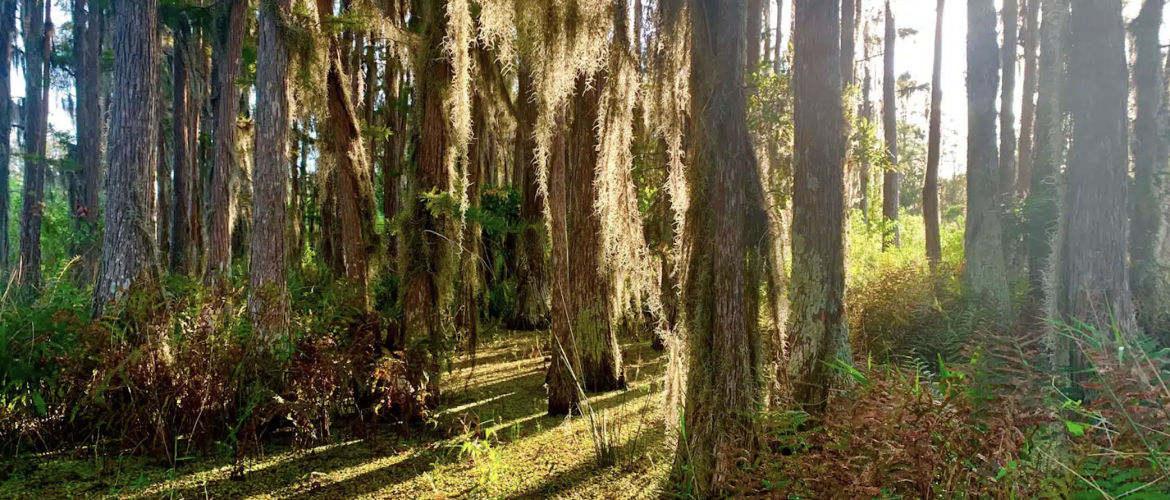
Navigating the Evolving Landscape of Wetland Mitigation Banking in 2024 As we navigate the complex and ever-evolving world of wetland mitigation banking, understanding the intricacies of this field is crucial for both environmental preservation and sustainable development. In a comprehensive article by Charles Boisseau, the nuances of mitigation banking, its impact on real estate, and the challenges faced by bankers and developers in Florida are thoroughly explored. From the historical evolution of wetlands management to the current market trends and regulatory frameworks,
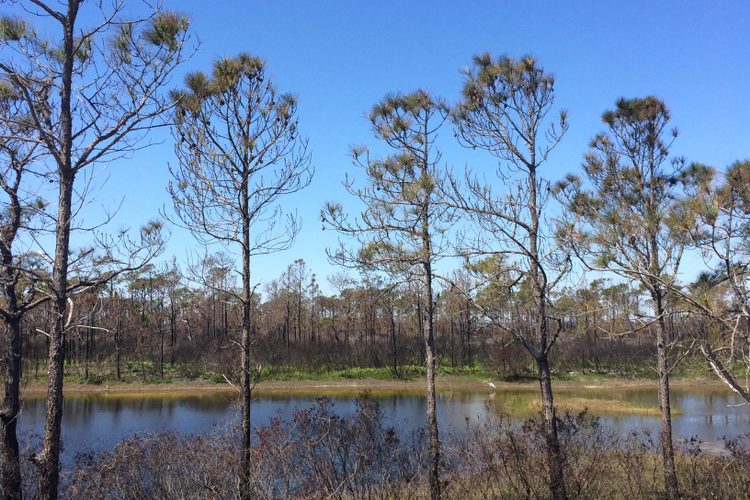
New Legislation Enhances Flexibility in Mitigation Banking – SB 1646 Overview In an exciting development for the world of environmental conservation and restoration, a significant mitigation banking bill was filed on January 5, 2024. This new legislation is poised to transform the current landscape of mitigation banking, particularly concerning the use of out-of-basin mitigation credits. At its core, the bill focuses on providing more flexibility in the use of mitigation credits, especially when in-basin options are unavailable. This new provision is a
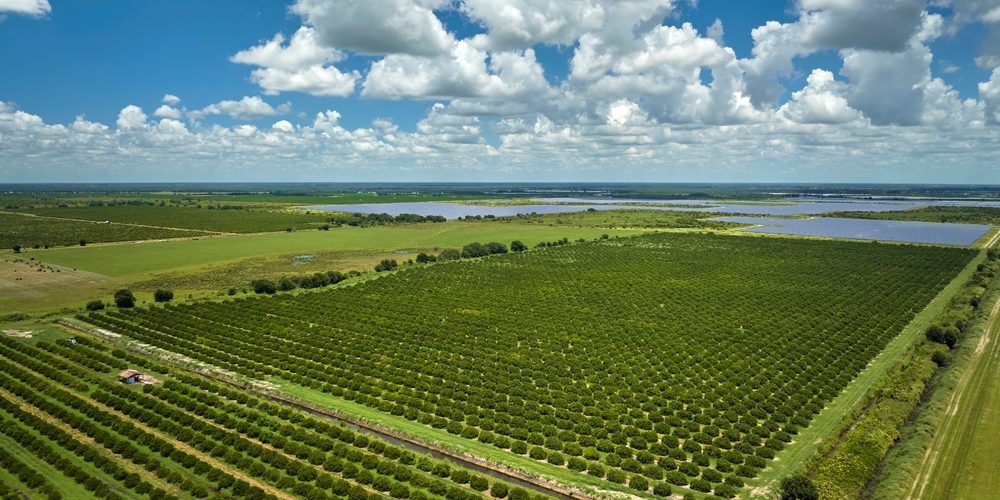
Join The Mitigation Banking Group in fostering a sustainable future for Florida’s landscapes. Discover our quest for partners in mitigation banking, from active site managers to investors. Let’s collaborate for ecological and economic balance.
Discover key insights into the mitigation bank approval process in our latest joint report with EPIC. The Phase II analysis reveals bottlenecks and provides actionable recommendations to streamline approvals. In-depth interviews with 19 mitigation bank sponsors included.
In this latest blog post by Victoria Bruce, CEO of Mitigation Banking Group, Inc., discover how the revised WOTUS rules are shaping the mitigation banking landscape. Learn why these changes may benefit landowners and the industry as a whole.
Mitigation Banking Industry Insights: U.S. House of Representatives Encourages Streamlined Approval of Bank Credits Last week saw significant developments in the mitigation banking industry as the full Appropriations Committee approved the U.S. House of Representatives FY2024 Energy & Water Development Appropriations Report. A notable section of the report underlines the potential of mitigation banks to expedite project delivery. Highlighting the Potential of Mitigation Banks According to the approved language in the report, the Committee acknowledges the promise mitigation banks hold for accelerating project
Mitigation Banking Legislative Update – March 2023 HB 1167 has been filed; and a Senate companion to HB 1167 has been filed – SB 1702. This bill will allow FDEP or a water management district to release state credits from a mitigation bank before the banks mets the mitigation success criteria specified in the bank’s permit when (a) mitigation credits are not available in sufficient quantities to be sold or used to offset imminent and otherwise allowable adverse impacts within a mitigation service
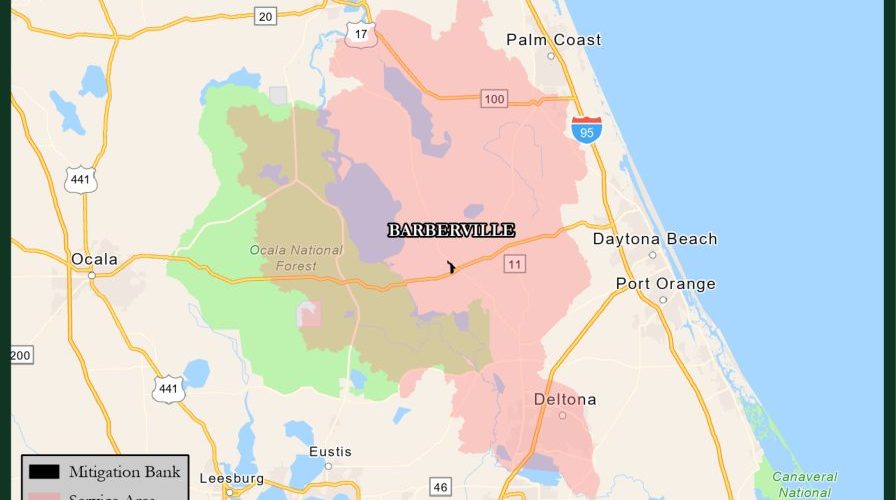
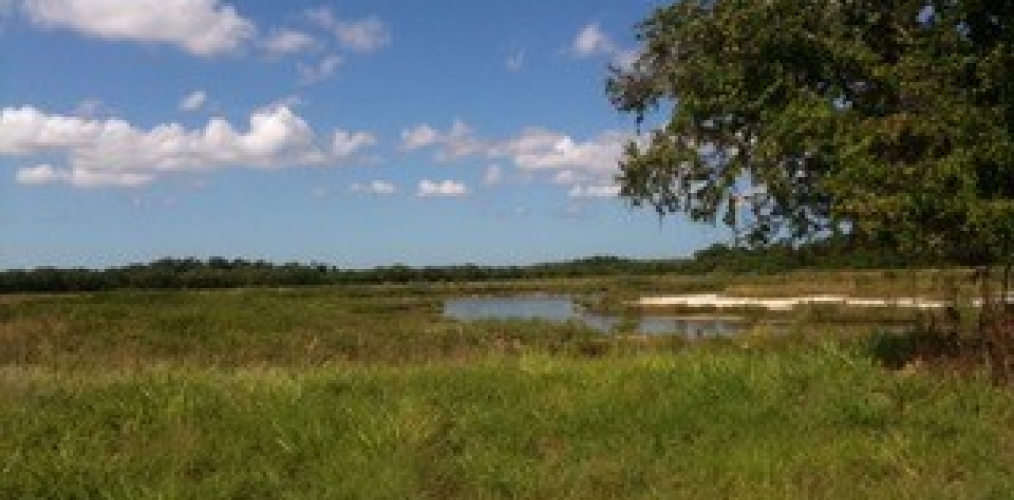
Barberville Mitigation Bank In partnership with the County of Volusia, The Mitigation Banking Group, Inc. has been awarded the exclusive representation for the mitigation bank credit sales. The Barberville Mitigation Bank was permitted in 1996 by the St. Johns River Water Management District and the U.S. Army Corps of Engineers. The 1,083.29 acres is conserved & restored land that will forever be conservation and managed in perpetuity. The property provides to be the missing link to connect wildlife to the Lake Woodruff
Tampa Bay Florida: Mitigation Credit Availability Update Credit Inventory Low: Tampa Bay Basin: Forested & Herbaceous Mitigation Credits are currently unavailable. All State & Federal Credits are Reserved. Forested Credits are anticipated to be available Quarter 2, 2023. & Herbaceous Credits are currently unavailable (indefinitely?)
The City of Winter Springs invites your interest in serving as their next City Manager!
https://fccma.org/job/slavin-management-consultants-winter-springs-full-time-city-manager/
Here is a shocking stat:
Median income in 2004: $42,500
Median Home Price 2004: $184,000
4.3 times your income
Median Income 2024: $54,000
Median Home Price 2024:$532,000
9.8 times your income❗️
That represents a 190% increase in the cost of housing compared to 29% jump in
Adopt-A-River!!!
Adopt-A-River Program in Seminole County, Florida is a program that facilitates the monitoring, clean up, and enhancement of stream/river segments of Seminole County and is open to individuals and organizations interested in helping the environment.
Many of
The Seminole County, Florida Adopt-A-Road Program is designed to involve the public in keeping Seminole County's roadways and waterways free of litter and debris, promoting watershed awareness, and engaging in stormwater education.
With the amount of TRASH littered on the


 ;
;


