
Fungible Assets Offset Environmental Impacts Mitigation Credits are part of a thriving ecosystem marketplace. These fungible assets can give return on investment and make the polluter pay–a principle enshrined in climate change agreements worldwide. This industry addresses the cross-sector interests of urban planning and natural resource management. At its core, it seeks to balance human health and biodiversity. It allows for the planning of our built environment alongside the replenishment of our water systems and species habitat. Conservation Economics allows private equity investments into
The Big List of Mitigation Banking Regulations and Guidelines When it comes to mitigation banking, we are going to break down the federal agencies and laws that create this program. A few states, like Florida, have their own Section 404 programs in addition to the federal one and details specific to the Florida program can be found over here. Don’t skip over just yet! While Florida does have its own 404 program,
Wetland Mitigation Banking Clean Water Act Section 404 HOW DID WE GET HERE? In the 1960’s the Federal Government encouraged land drainage and wetland destruction In 1970’s, increasing awareness that wetlands are valuable areas that provide important environmental functions. In 1970, the Environmental Protection Agency (EPA) was implemented to govern environment protection standards In 1972, The Clean Water Act was established to ADDRESS Water quality standards of: WATER POLLUTION Eliminating discharge of untreated wastewater Section 404 of CWA Requires a permit before impacts are made to a waterbody, including
My Career in Environmental Restoration began as an intern in 2004, since then I have worked closely with landowners who provide preservation, restoration and enhancement of large tracts of land to manage crucial ecosystems. To obtain a mitigation banking permit takes approx 2-8 years, and the landowner must have a conservation easement on the land as well as a Short Term & Long Term Trust Fund to ensure the land is managed in perpetuity. The Environmental Protection Division (EPA) authorizes wetland
Who Drained the Swamp? Prior to the Section 404 of the CWA; the Federal Government encouraged citizens to drain or destroy wetlands. In 1970, the EPA was established and in 1972, the CWA was passed. The CWA was established to avoid and minimize the impact on designated water bodies and provide compensatory mitigation for unavoidable impacts. The Clean Water Act was one of the United States’ first and most influential modern environmental laws. Timeline: • 1988: A national policy of ‘no net loss’ of wetland
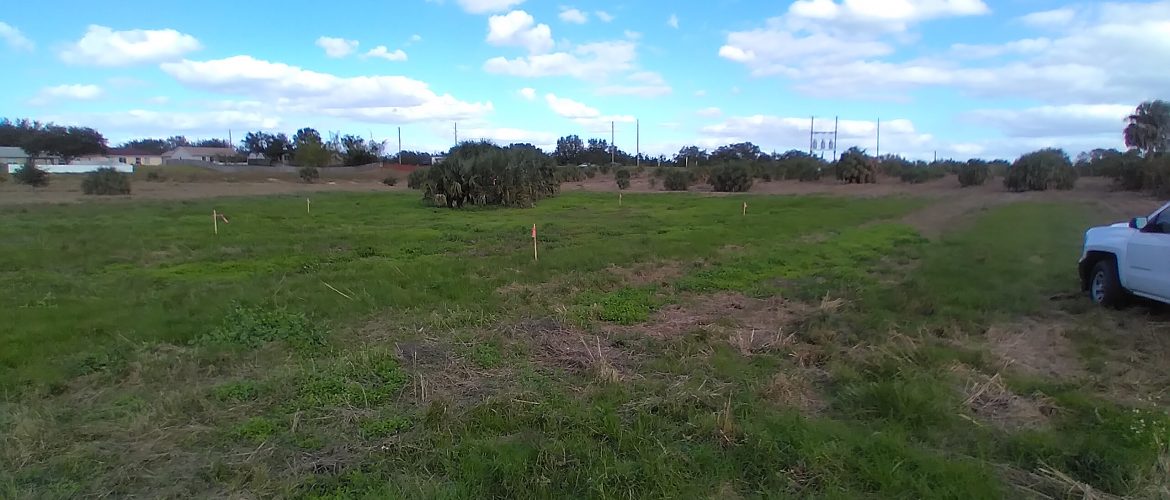
Mitigation Banking 101 What is a Mitigation Bank? Mitigation Banks are large-scale wetland and/or stream restoration and enhancement projects that are established in areas where continued development will require impacts to these important aquatic resources. The restoration work completed at a mitigation bank generates a net gain of wetlands and/or stream in a given area, which is quantified based on the resulting ecological benefit to generate a number of mitigation “credits” . The mitigation bank is protected in perpetuity, via a conservation
Mitigation Banking Companies in Florida The Mitigation Banking Group (MBG) is one of the most esteemed and respected mitigation banking Companies in Florida. Our mission is to streamline the mitigation process by providing knowledge and expertise to help you with the environmental permitting process with the State and Federal Agencies. Mitigation Banking History in the U.S: 1969 The National Environmental Policy Act (NEPA) was one of the first laws ever written that establishes the broad national framework for protecting our environment. NEPA’s basic
Wetland Mitigation and Species Conservation in Florida Transcript Victoria: So a wetland mitigation bank, as you know, is a protected land. And it’s an average acreage of about 1,000. They range anywhere from 300 acres to 25,000 acres within the state of Florida. And a wetland mitigation bank is not just a great site. It needs to be degraded. We need to bring it back up to its natural state. So if we find a suitable mitigation
Last updated: November 20, 2026 · By Victoria Bruce, CEO, The Mitigation Banking Group, Inc. Wetlands are areas where water covers the soil, or sits at or near the surface, for long enough each year to shape the soil and the plants that grow there. Marshes, swamps, bogs and mangroves are all wetlands. They matter because they filter pollutants, store floodwater, recharge groundwater and provide habitat for a large share of the world’s wildlife. For Clean Water Act purposes, federal regulations define
How to Permit a Wetland Mitigation Bank in Florida? Permitting a wetland mitigation bank is a structured, regulated process that involves multiple steps and agencies. Below is a detailed breakdown of how to permit a mitigation bank in the U.S., following the Federal Mitigation Rule (33 CFR Part 332). The Mitigation Bank Florida Statute, 373.4136, and Mitigation Bank Rule, 62-342, provide the framework for permitting state of Florida wetland mitigation banks. Mitigation banks are authorized by a state permit, issued by