Wetland Mitigation and Species Conservation in Florida
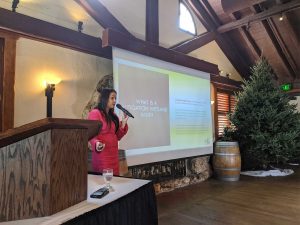
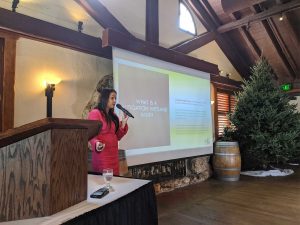
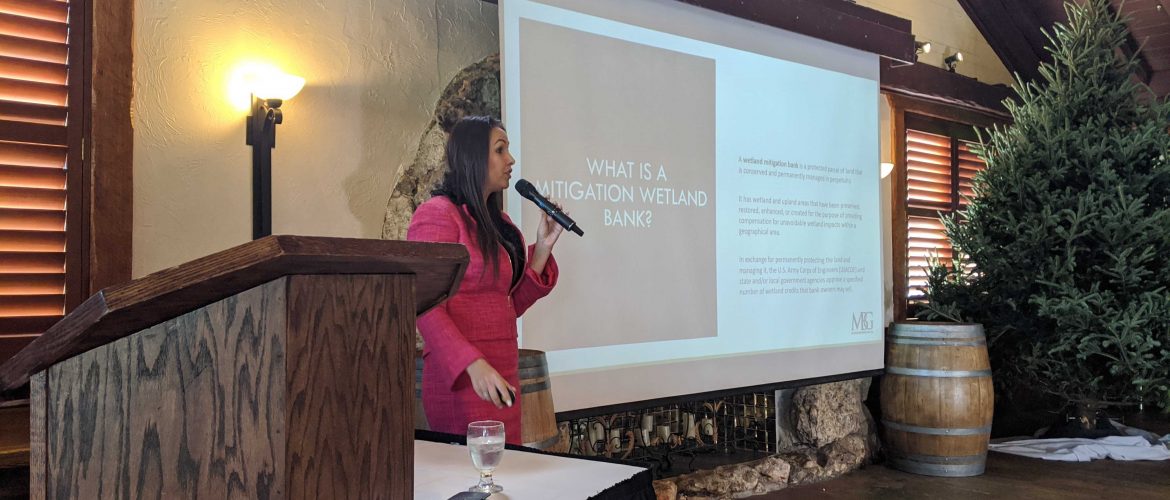
In her presentation to the Orlando Regional Realtor Association Commercial Council, Victoria Bruce walked through the fundamentals of wetland mitigation and species conservation banking, focusing on the practical questions Florida real estate professionals encounter during due diligence.
Understanding the Land Before the Deal
When a parcel contains wetlands or potentially occupied species habitat, the question is rarely whether the land can be developed. It almost always can. The question is what mitigation will cost and whether those costs make the project feasible for the buyer. Having that information available during due diligence allows agents and their clients to evaluate a property realistically rather than discovering compliance costs after closing.
How Wetland Mitigation Works
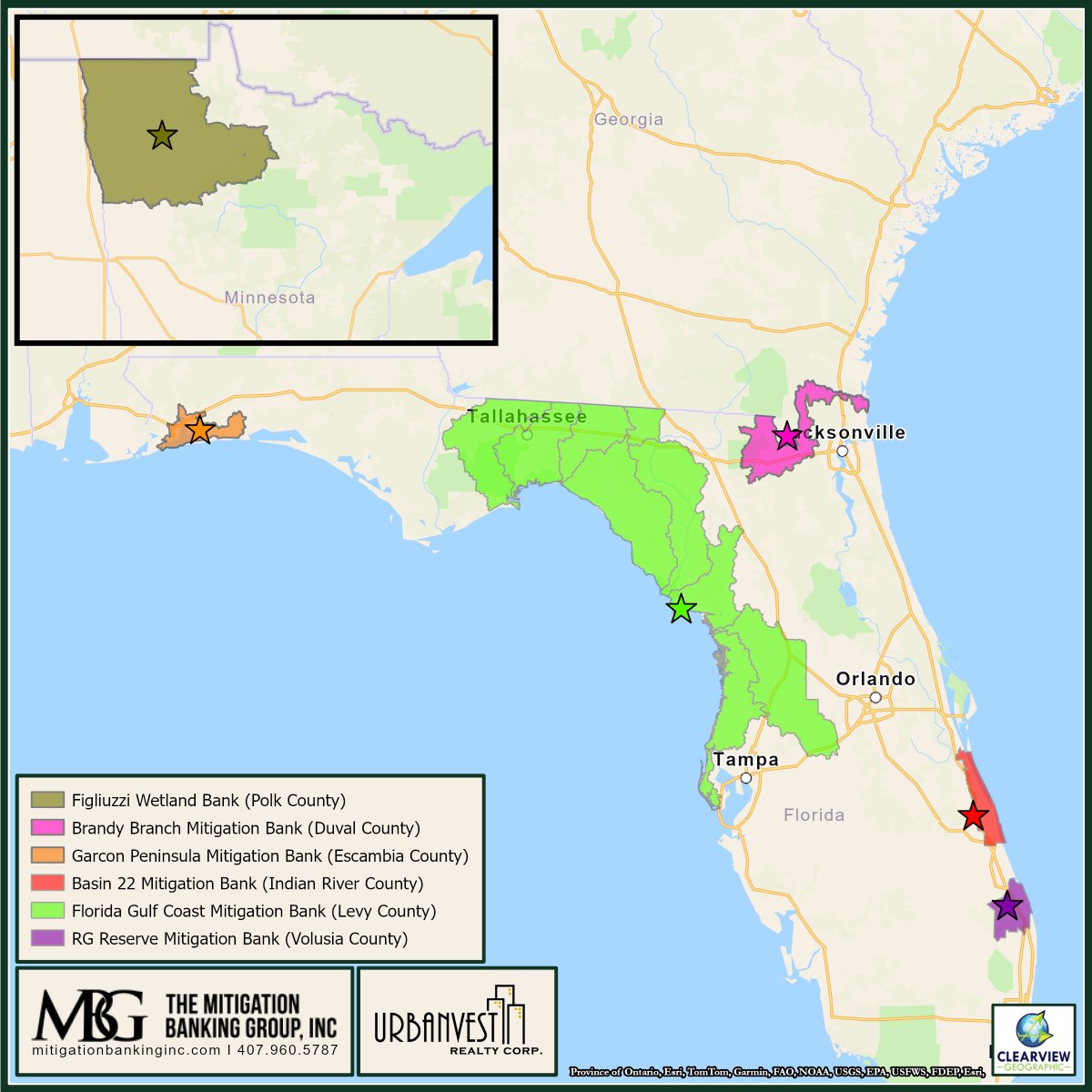
Mitigation credits are calculated using the Uniform Mitigation Assessment Method, which scores wetland quality on a scale from zero to one based on soil, hydrology, and community structure. That score is multiplied by the acreage of impact to determine the number of credits required. Credits must be purchased from a mitigation bank operating within the same drainage basin as the proposed impact, which is why two seemingly similar parcels can carry very different mitigation costs depending on which side of a basin line they fall on.
Species Conservation Considerations
Properties on the Lake Wales Ridge and similar habitats may contain listed species such as the Sand Skink or Florida Scrub Jay. Presence is confirmed through environmental surveys, and impacts to occupied habitat require authorization from the U.S. Fish and Wildlife Service along with the purchase of conservation credits from an approved bank. Like wetland mitigation, conservation credit costs vary by species and service area.
Land That May Qualify as a Bank
The conversation also applies in reverse. Large parcels of degraded wetland habitat, particularly those adjacent to existing conservation land, may qualify as future mitigation or conservation bank sites. This pathway allows landowners to place property under permanent conservation easement while generating revenue through credit sales over time.
Working with MBG
The most valuable thing a real estate professional can offer a client during due diligence is clarity on what compliance will actually cost. MBG works directly with agents, developers, and landowners to provide that information up front so deals can move forward with confidence or be avoided before time and money are spent.
Watch Victoria’s full presentation below.